
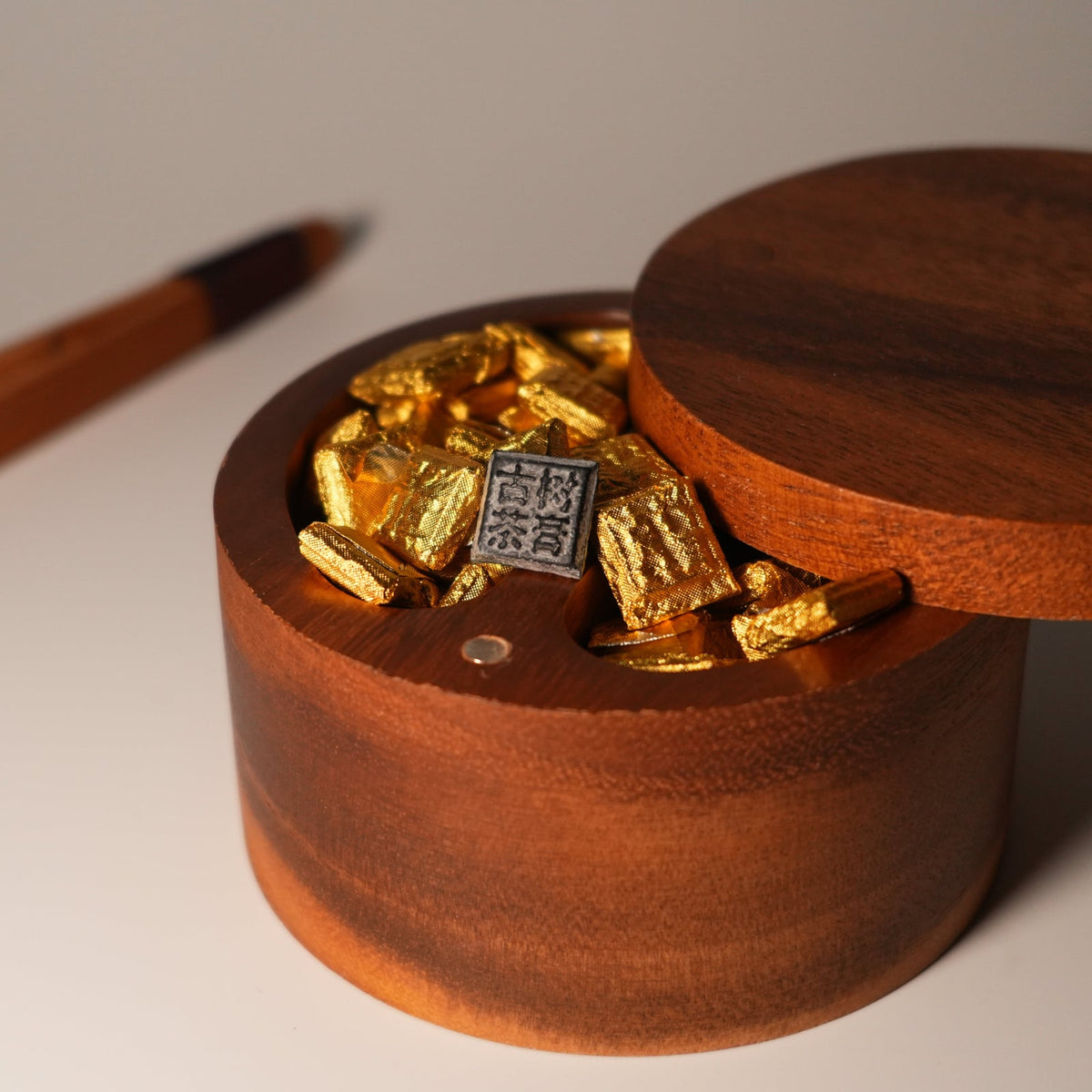
When someone sees Tea Resin for the first time, the first question is usually: “Is this really tea?”
The small, foil-wrapped piece does not look like loose leaves or a pressed tea cake. But yes, it begins with real tea leaves. This guide makes the unfamiliar simple: what Tea Resin (Cha Gao) is, how it is generally made, the history behind it, and how to prepare a cup that suits your taste.
What is Cha Gao, or Tea Resin?
Cha Gao is written as 茶膏 in Chinese and is commonly translated as “tea paste” or “tea resin.” It is a concentrated tea format made to dissolve in water rather than steep as intact leaves.
“Tea Resin” describes a format, not a single type of tea. At YUSTEA, Premium Pu’er Tea Resin is made from shou (ripe) Pu’er tea leaves, while White Tea Resin is made from white tea leaves.
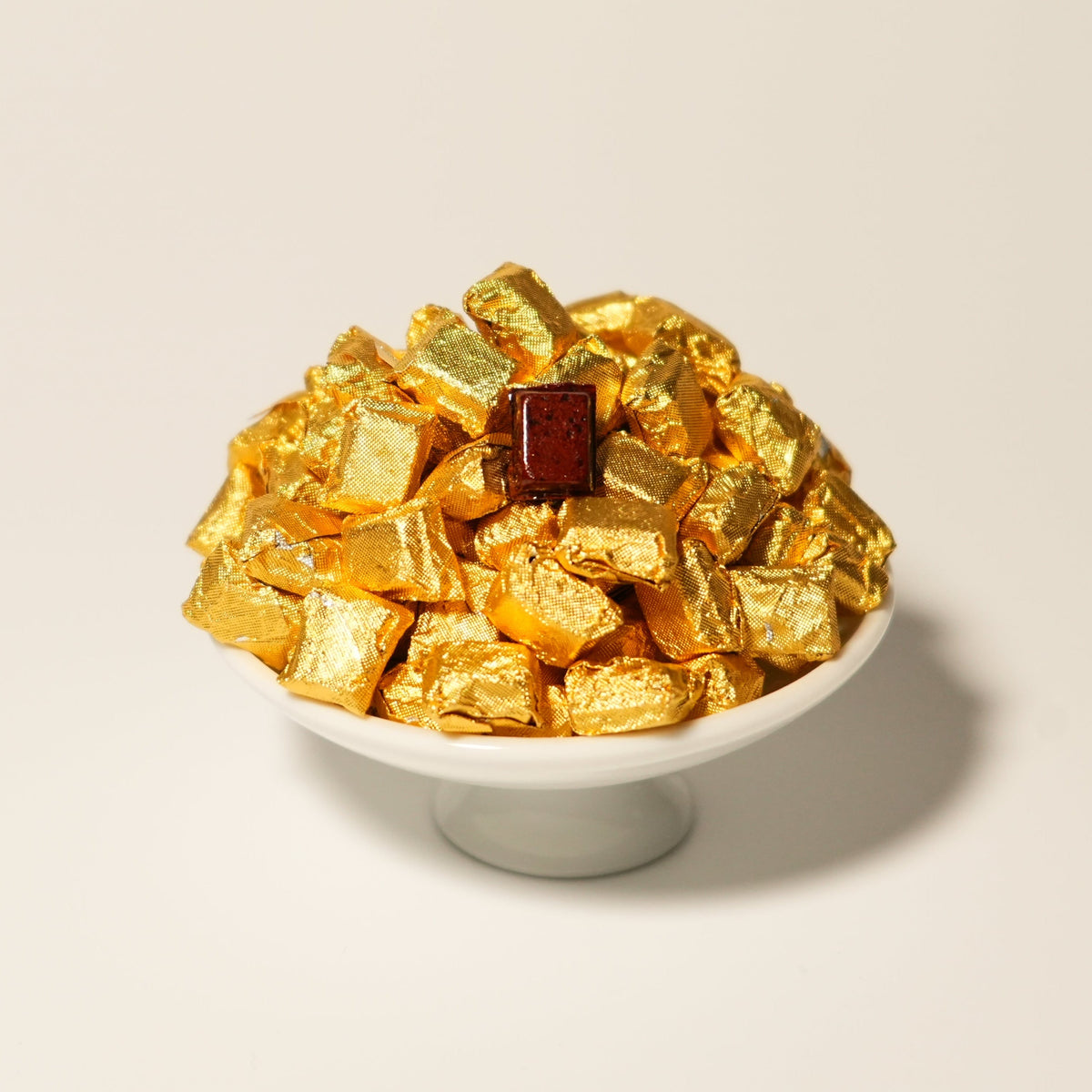
How is Tea Resin made?
Boiling and Filtration: The finest Pu'er tea leaves are boiled to extract their essence, then pressed through fine cloth bags to filter out any solids, ensuring a clear and pure tea liquid.
Reduction: The filtered tea is further boiled down to a thick, concentrated paste, with impurities carefully skimmed off to maintain purity.
Shaping and Drying: The concentrated tea paste is shaped into pellets and dried, forming the final tea resin.
Yield: From 100 kilograms of premium tea leaves, we produce just 10 to 12.5 kilograms of highly concentrated tea resin, capturing the full richness and depth of Pu'er tea.
Documented for centuries
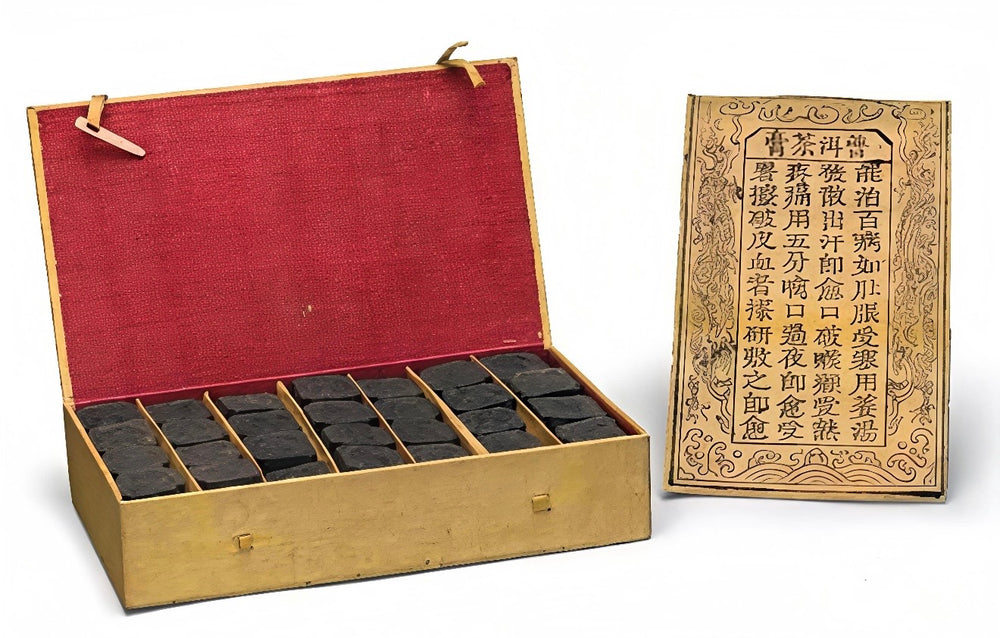
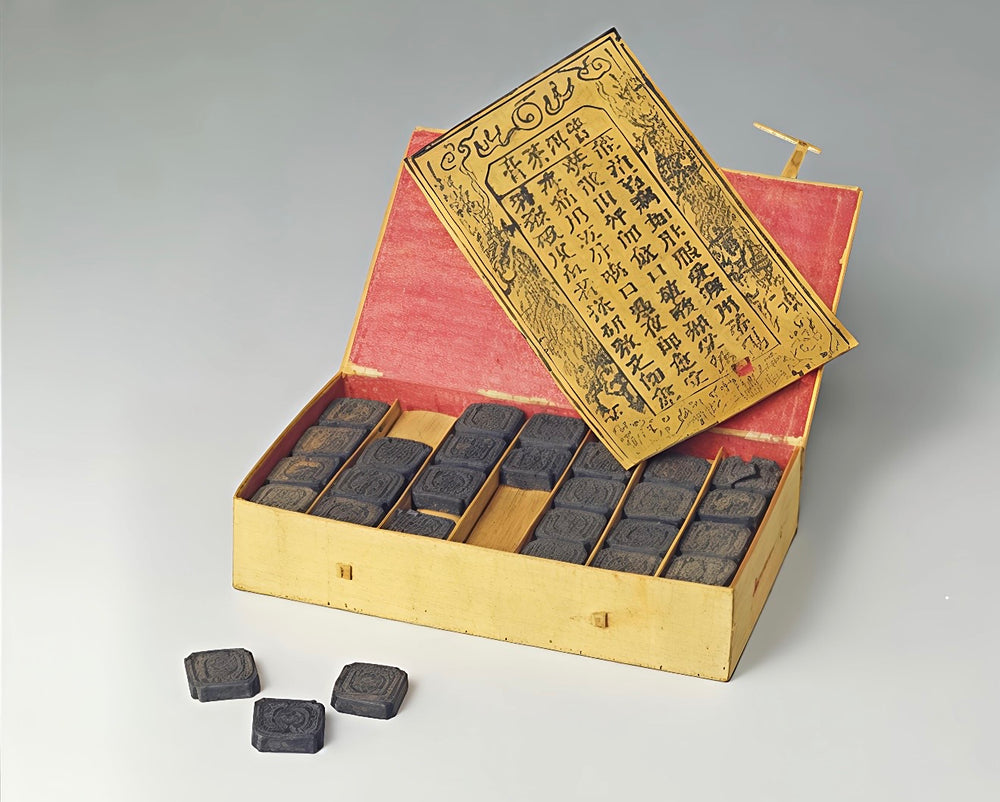
Tea resin, known in Chinese as cha gao (茶膏), has a long history in China. Early references to gao appear in classical tea writings, while surviving Qing dynasty examples of Pu’er tea paste can still be found in Chinese museum collections, including the Palace Museum. These pieces show that tea resin was valued long before it became the convenient modern tea form we enjoy today.
Today, tea resin offers a simple way to enjoy tea, just add hot water and let it dissolve.
How to prepare Tea Resin
- Peel away all the foil from one piece.
- Place the piece in a cup and add water.
- Allow it to dissolve. Hot water usually takes approximately one minute.
- Taste the tea and adjust the water if needed.
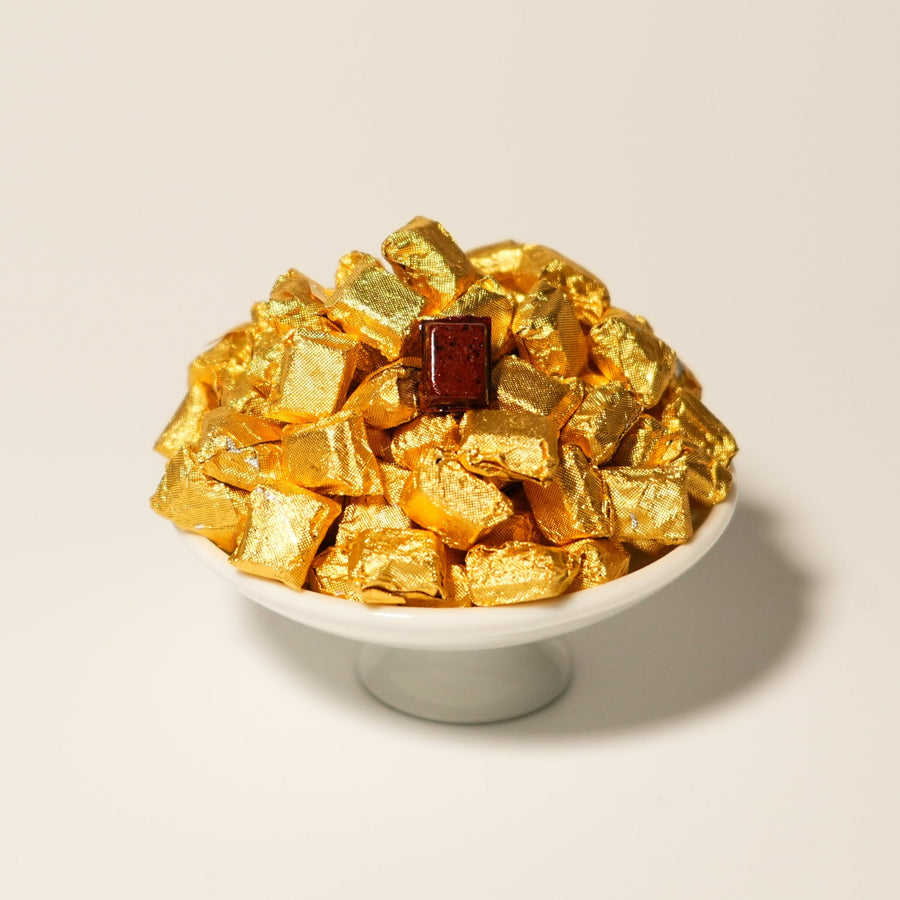
White Tea Resin
White tea leaves · 0.5 g per piece · Start with about 8 oz of water.
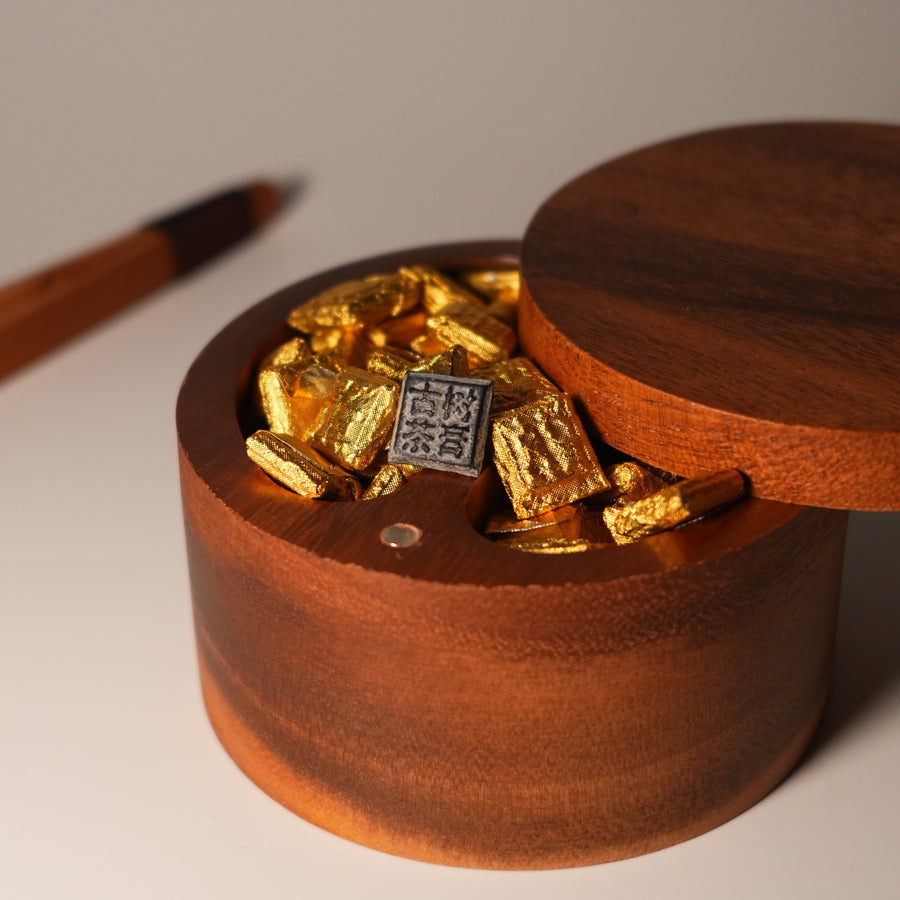
Premium Pu’er Tea Resin
Ripe Pu’er tea leaves · 1 g per piece · Start with about 8–16 oz of water.
For a cold cup without waiting, dissolve the Tea Resin in a smaller amount of hot water first, then add room-temperature water, cold water, or ice. At work or while traveling, begin with the recommended range, and adjust after tasting.